المدخل لدراسة الفقه الاسلامي
al-Madkhal li-Dirasat al-Fiqh al-Islami
محمد اشرف الجاتاجمي
1533
10819
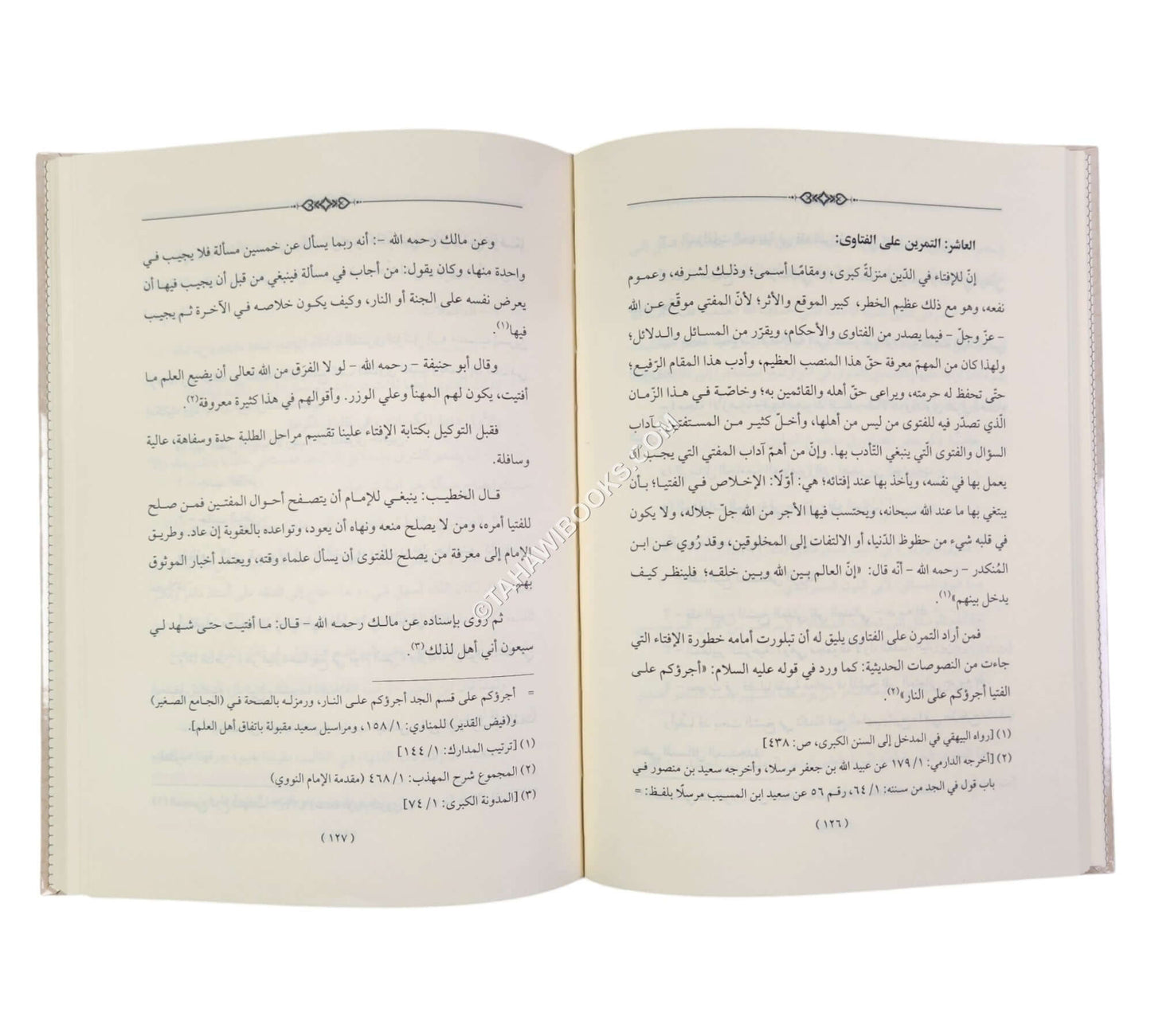
احتوى هذا الكتاب على صغر حجمه على التعريف الدقيق بالشريعة الإسلامية نشأةً وتطوّرًا ومزايا، والجواب عن أهمّ شبهات خصوم الشريعة، والنقد للتعليم الحديث، كما عرّف بعلوم الشريعة، بالقرآن وتفسيره وعلومه، والسُّنة وحُجّيتها،وأنواع مصنّفاتها، ثمّ طاف بالعلوم الغائية (التفسير والحديث والعقائد والفقه والتصوف)، ثم بعلوم الآلة (أصولا وفقها ومنطقًا وبحثًا)، وذكرَ أهمّ مصنّفاتها.
وأُفرِدَ الفصل الثاني للفقه ومذاهبه، والتمذهُب وأُسسه، والاجتهاد وشروطه، والتقليد وضرورته، وأسباب اختلاف العلماء، والتمييز بين الدليل والاجتهاد فيه، مع بيان ما يقال عنه (فقه الدليل) و(فقه الراجح)، والتعريف بكل مذهب من المذاهب الأربعة ومراحله، تأسيسًا وانتشارًا، وجذورًا واستقرارًا، وتوضيح مصطلحاته، مع ذكر السُّلّم التعليمي فروعًا وأصولًا، وخُتم بالحديث عن النظريات الفقهية ومقاصد الشريعة وما أصاب الأخير من توظيفٍ ظالم. ونرجو أن يُقرَّر هذا الكتاب على طلّاب السنة الأولى في كليات الشريعة لأهمّية مادته.
Here is the translation tailored for English-speaking scholars who understand Arabic:"Despite its concise size, this book contains a precise definition of the Shari‘ah, its origin, development, and distinguishing merits, while answering the most prominent misconceptions raised by its detractors and offering a critique of modern education. It introduces the Shari‘ah sciences—including the Qur'an, its tafsir, and its sciences, alongside the Sunnah, its authority, and its genres of literature—before surveying the objective sciences (tafsir, hadith, ‘aqaid, Fiqh, and tasawwuf) and the instrumental sciences (usul, Fiqh, mantiq, and research methodology), highlighting their most important texts.The second chapter is dedicated exclusively to Fiqh and its madhahib, the foundations of tamadhub, the conditions of ijtihad, the necessity of taqlid, and the causes of scholarly disagreement, while distinguishing between the textual dalil and the ijtihad applied to it, clarifying what is termed 'Fiqh of the evidence' (Fiqh al-Dalil) and 'Fiqh of the preponderant opinion' (Fiqh al-Rajih). It further defines each of the four madhahib and their developmental stages—from foundation and expansion to their roots and codification—clarifying their terminology and outlining the educational curriculum for both branch matters (furu‘) and principles (usul), concluding with a discussion on Fiqh theories and Maqasid al-Shari‘ah, including the unjust exploitation that has affected the latter. We hope this book is assigned to first-year students in Shari‘ah colleges due to the vital importance of its material.
|
Title |
المدخل لدراسة الفقه الاسلامي |
|---|---|
|
Author |
محمد اشرف الجاتاجمي |
|
Publisher |
الرياحين-بيروت |
|
Volumes |
1 |
|
Pages |
260 |
|
Cover |
Hard |
|
Weight |
0.6 |
|
Dimensions |
25x18x2 |
|
Publication Year |
2025 |
|
Print Quality |
Beirut High-Quality Edition |
|
Tashkil/Harakat |
Little to No Tashkil/Harakat |
|
Text Colour |
One Colour |
|
Recommended Print |
Best/Good/Only Print |
|
Content |
|

R265.00