المسوى شرح الموطأ
al-Musawwa Sharh al-Muwatta'
أحمد شاه بن عبد الرحيم/ولي الله الدهلوي
922
7113
A concise and distinctive Arabic commentary on the Muwaṭṭaʾ of Imām Mālik by the great Indian ḥadīth scholar and jurist Shāh Walī Allāh Aḥmad ibn ʿAbd al-Raḥīm al-Dihlawī (1114–1176 AH). Al-Musawwā reflects Shāh Walī Allāh’s conviction that the Muwaṭṭaʾ occupies a uniquely foundational position in both Ḥadīth and Fiqh, standing at the root of the major juristic traditions that developed after Imām Mālik. He consequently regarded concentrated study of the Muwaṭṭaʾ as an especially effective means of understanding the evidential foundations of Islamic jurisprudence.
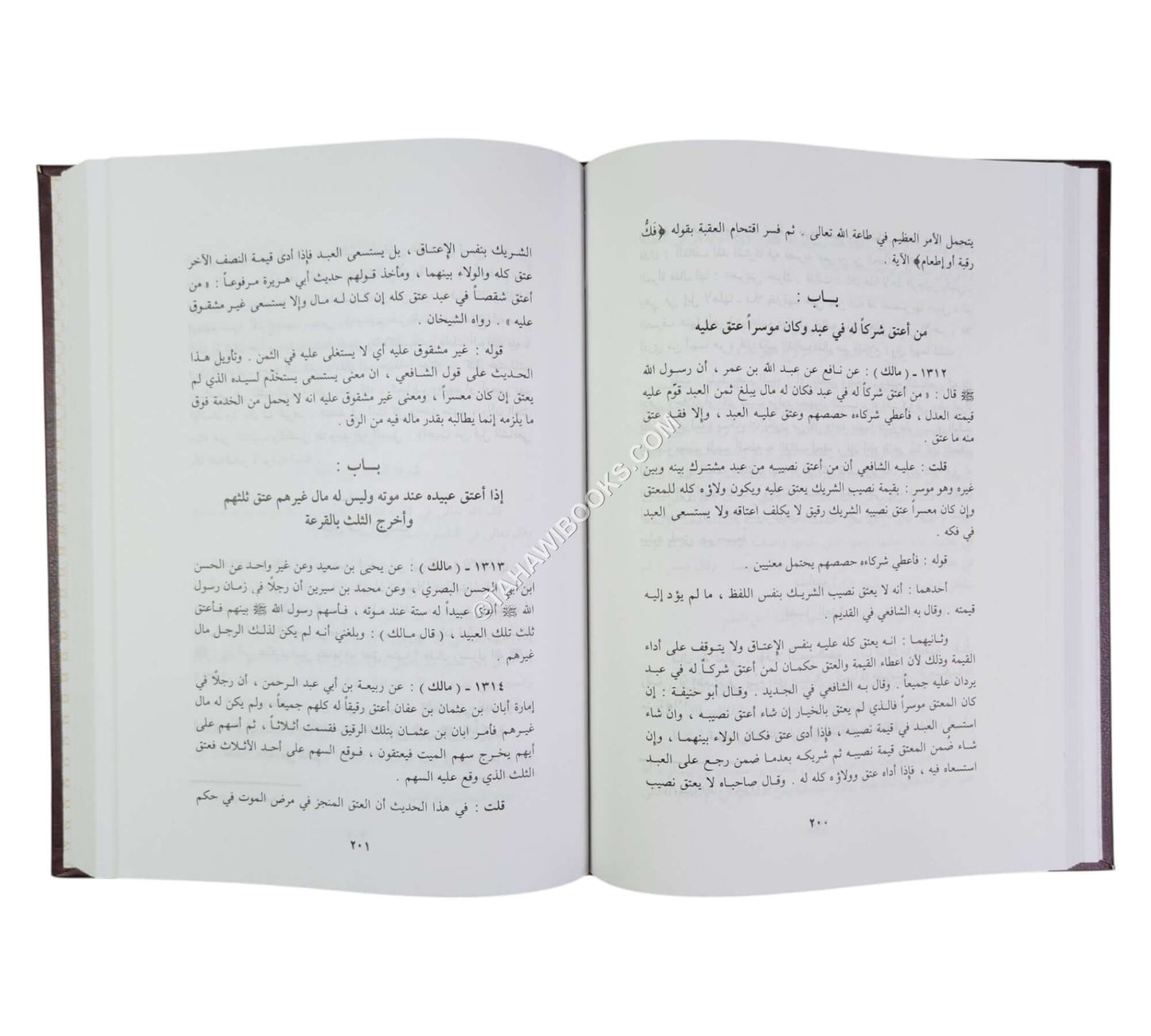
Shāh Walī Allāh produced two important commentaries on the Muwaṭṭaʾ: the more expansive Persian al-Muṣaffā and this more concise Arabic al-Musawwā. In al-Musawwā, he rearranges the material into an order intended to facilitate juristic study, provides headings indicating the rulings derived from the narrations, and supplements the ḥadīths with relevant Qurʾānic verses and necessary points of Qurʾānic interpretation. He also explains difficult expressions and highlights important points arising from the texts.
One of the book's most distinctive features is its comparative treatment of Ḥanafī and Shāfiʿī Fiqh. Under the relevant chapters, al-Dihlawī records the positions of these two schools and relates them to the evidence of the Muwaṭṭaʾ. His son Shāh ʿAbd al-ʿAzīz described al-Musawwā as a concise Arabic work in which his father restricted himself principally to the doctrines of the Ḥanafīs and Shāfiʿīs together with what was necessary for explaining difficult vocabulary and problematic expressions. Thus, despite being a commentary upon a foundational Mālikī text, it is not simply a Mālikī commentary; it is an exercise in comparative Fiqh grounded in early Ḥadīth evidence.
The work is particularly revealing of Shāh Walī Allāh’s broader scholarly project of seeking the common ḥadīth foundations underlying the classical schools of law and moving beyond unnecessary madhhab partisanship. His discussions are generally compact rather than exhaustive, making al-Musawwā considerably more approachable than the large multi-volume commentaries on the Muwaṭṭaʾ. It is especially valuable for students who wish to combine the study of Fiqh al-Ḥadīth, comparative Ḥanafī-Shāfiʿī jurisprudence, and Shāh Walī Allāh’s approach to legal reconciliation and tarjīḥ.
|
Title |
المسوى شرح الموطأ |
|---|---|
|
Author |
أحمد شاه بن عبد الرحيم/ولي الله الدهلوي |
|
Author's Year of Demise |
1176 |
|
Publisher |
العلمية-بيروت |
|
Volumes |
2 |
|
Pages |
968 |
|
Cover |
Hard |
|
Weight |
1.615 |
|
Dimensions |
24x17x5 |
|
Publication Year |
2002 |
|
Print Quality |
Beirut Good-Quality Edition |
|
Tashkil/Harakat |
Little to No Tashkil/Harakat |
|
Text Colour |
One Colour |
|
Content |
|

R430.00